CREATIVITY
EXPRESSION
Your Spiritual language & power
Remembering, speaking, living
MOYA EMPRENDE
WHO ARE WE?
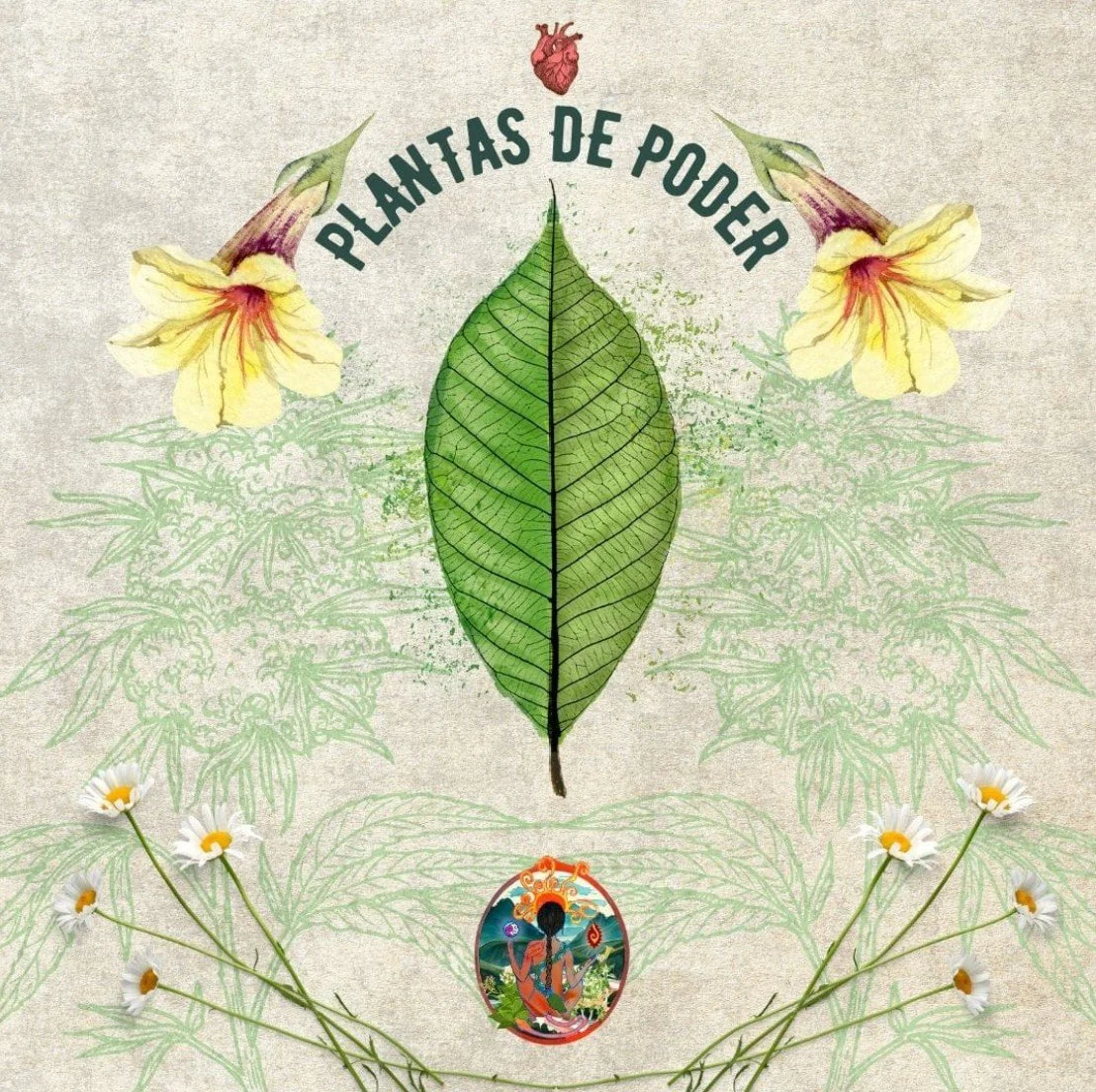
We are Human - We are Suaca Sie, a living initiative rooted in the remembrance and practice of ancestral knowledge through spiritual language, land and water relationships, and sustainable ways of living. We create spaces where individuals and communities can reconnect with memory, identity, and the natural rhythms that sustain life—integrating these practices into everyday experience in ways that are both grounded and transformative
Water is Sacred
·
Sing your Song
·
Create Purpose
·
Water is Sacred · Sing your Song · Create Purpose ·
ABOUT THE FOUNDER
MOYA EMPRENDE
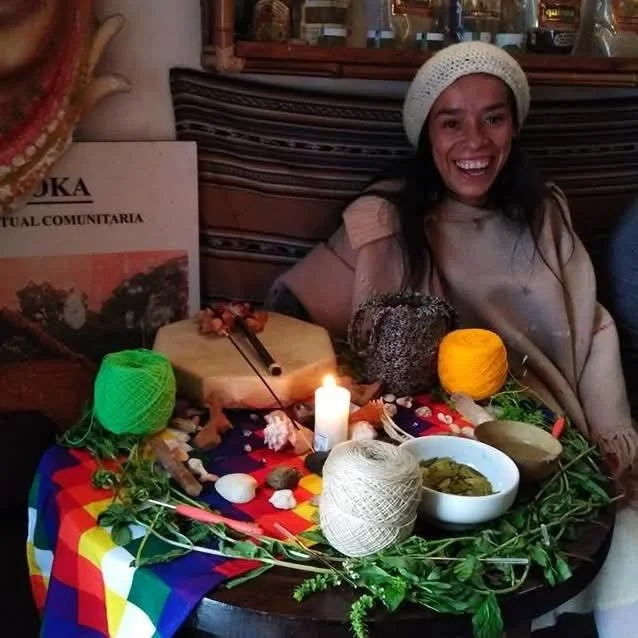
Furani Moya Zapan Zucum has dedicated her life to the path of ancestral knowledge, memory, and ways of living in relationship with land and water. Her journey began within conventional structures as a professional accountant, but over time she chose to step away from that path to enter a life of exploration, learning, and practice rooted in other ways of knowing.
For more than fifteen years, she has lived nomadically, sharing and deepening work in spiritual language, sustainable living, and practices grounded in direct relationship with place.
Her work in Colombia has focused on initiating and supporting processes and projects centered on the care of land, the regeneration of living systems, and the strengthening of communities through lived experience.
Her trajectory has grown organically, developing into work that is both scalable and internationally recognized, while remaining grounded in coherence between what is taught and what is lived.
Today, through SUACA SIE, she continues to open spaces of accompaniment for those seeking to reconnect with memory, language, and ways of living that are more conscious, sustainable, and in relationship with their environment.
WHY IT MATTERS
-
There are systems that teach us to forget.
To forget how to listen, how to create, how to live in relationship—with ourselves, with each other, and with the sources that sustain life. In their place, we are offered structures that reward disconnection, fragmentation, and dependence, while calling it progress.What is lost in this exchange is not only creativity or freedom of expression, but the deeper knowing of one’s own capacity to live, to create, and to sustain.
-
This work exists as a quiet, but steady return.
A return to what has always been present: the intrinsic power of the individual, not as something to dominate or isolate, but as something to be remembered and lived in relationship—with community, with land, and most fundamentally, with water.
Water is not a resource. It is the origin.
It carries memory, movement, and continuity. To protect water is not an environmental gesture—it is the protection of life itself. -
When this relationship is restored, something shifts.
Individuals begin to move differently. Communities begin to organize differently. What once depended on external systems begins to root itself in lived knowledge, reciprocity, and care.From this place, self-sustaining ways of living are not imposed—they emerge.
This is not a rejection of the world as it exists, but a reorientation within it. A remembering that allows for participation without submission, creation without permission, and growth that is not extracted, but cultivated.
In this way, what may seem countercultural is, in truth, foundational.
And from that foundation, everything else flows.
START YOUR JOURNEY
-
Language is approached as a living vessel of memory, carrying knowledge, identity, and connection across time. Through the remembrance and practice of spiritual language, participants are guided to reconnect with ancestral ways of knowing and expression. This work invites a return to language not only as communication, but as a lived and embodied practice that shapes perception, relationship, and understanding.
-
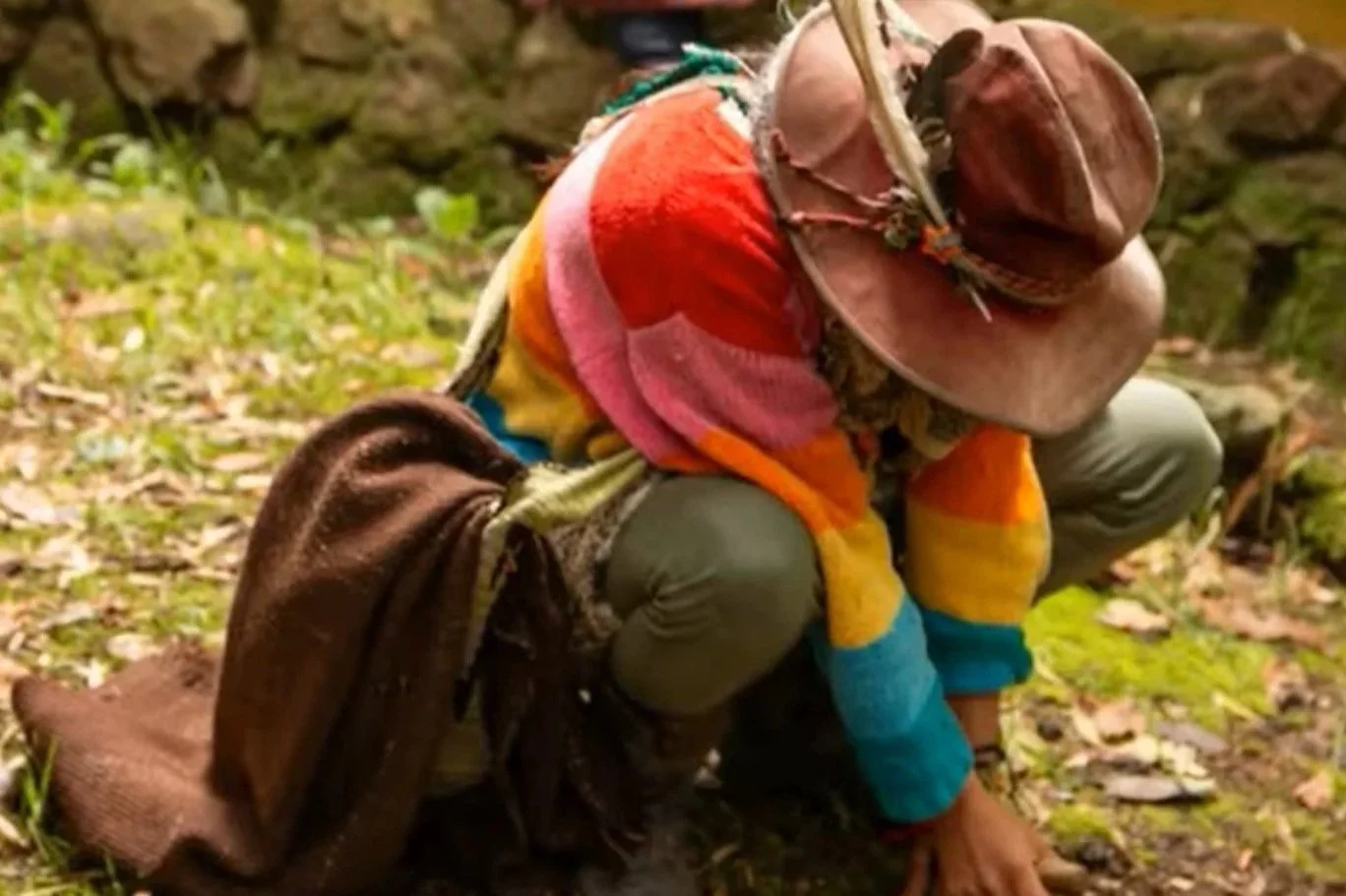
The territory is alive with water and life. Participants learn to honor and protect rivers, lakes, and sacred sites, discovering how human presence interacts with the natural world. Guided walks, observation of flora and fauna, water rituals, and meditative baths reveal the deep connection between land, spirit, and community. These practices cultivate responsibility, care, and reverence for the earth, teaching that water, plants, and animals are more than resources—they are guardians, teachers, and partners in sustaining life.
-
Collective work and hands-on experiences teach the power of community and shared wisdom. Mingas—communal gatherings to work on the land, weave, or cultivate seeds—offer participants a direct, embodied connection to ancestral practices. Shared meals, seed exchanges, and collaborative projects build responsibility, cooperation, and spiritual awareness. Each workshop combines practical skills with ancestral knowledge, guiding participants to integrate these teachings into daily life and to nurture self-sustaining, resilient communities.
-
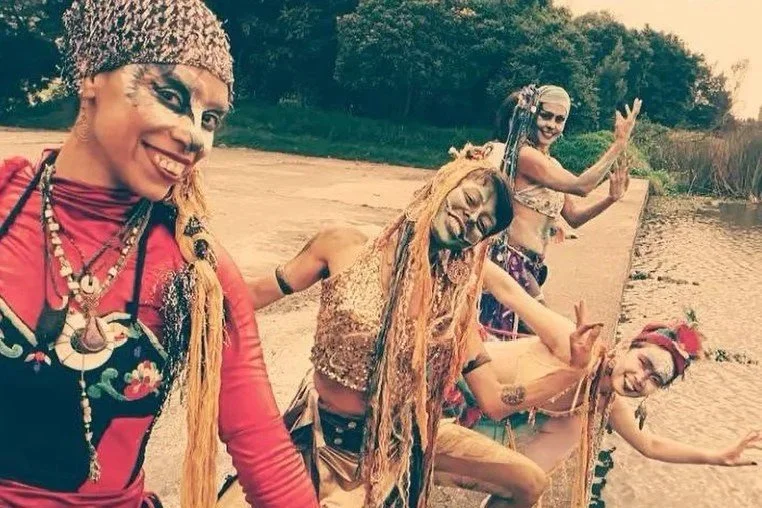
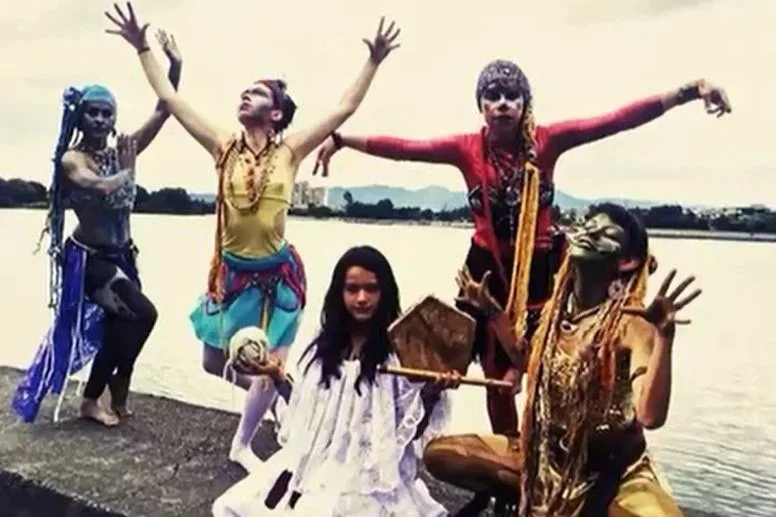
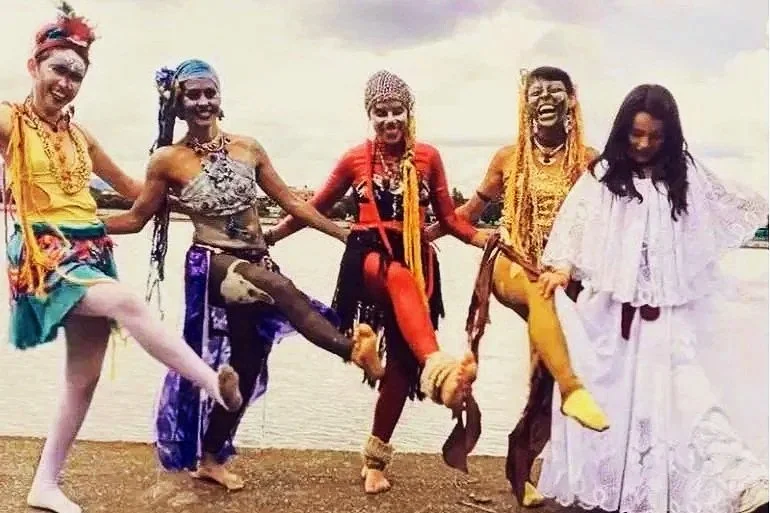
Creativity is a sacred path. Through dance, weaving, music, and visual arts, individuals reconnect with themselves, the community, and the sacred. Meditative weaving untangles both fiber and spirit, dances honor the rhythms of the cosmos, and music and songs carry memory and healing. Each artistic practice is a bridge to ancestral knowledge, a reflection of identity, and a celebration of life. By engaging with arts as a spiritual and communal practice, participants deepen their connection to culture, body, and land.
Featured Products
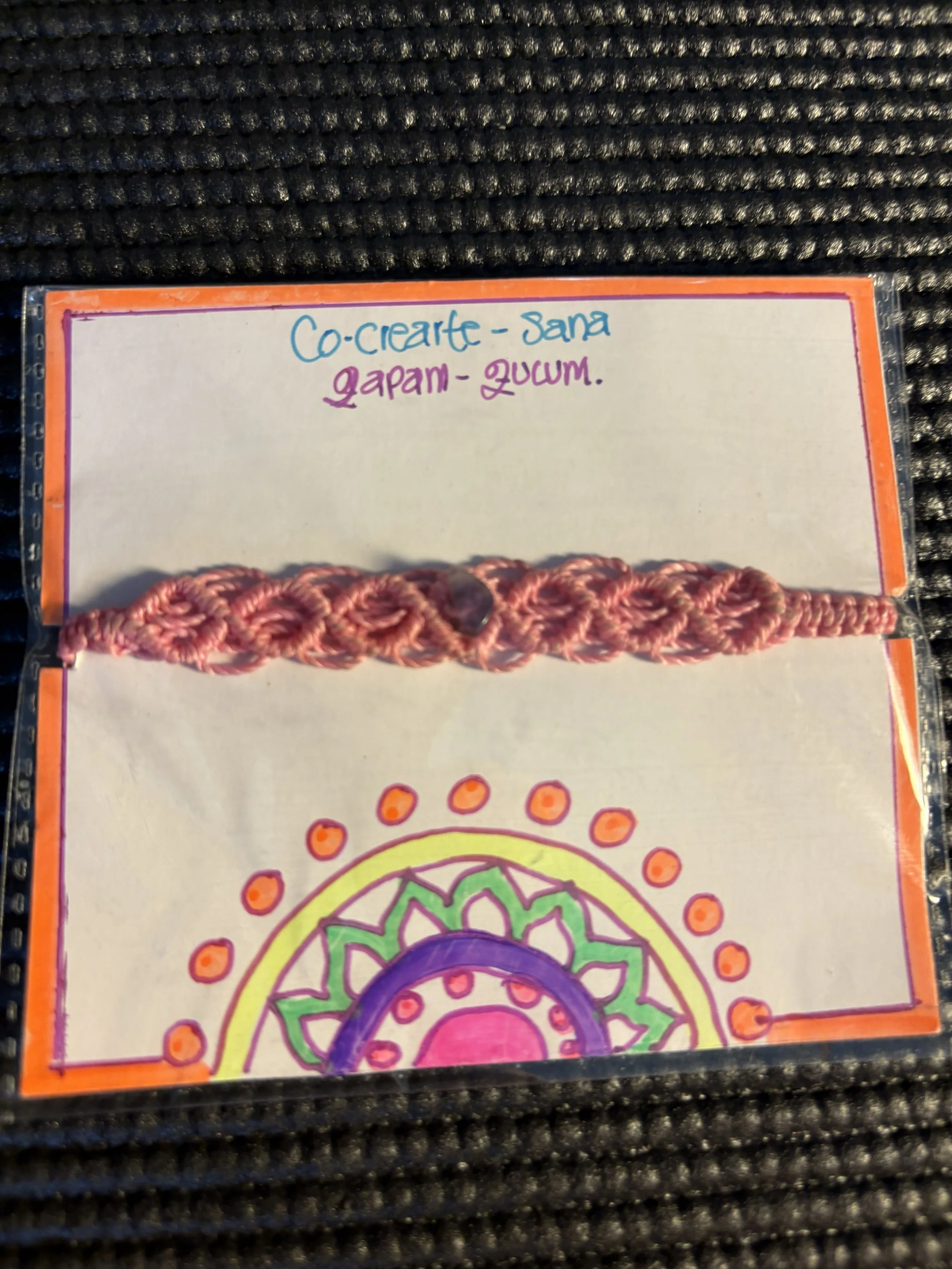
Handcrafted bronze & stone bracelets - Forged from earth and time, these bracelets unite the strength of bronze with the grounding energy of natural stone. Each piece reflects a balance between resilience and flow, power and intention.
Every bracelet is unique, carrying the raw beauty of its materials and the story of its making.
Wear it to stay grounded, protected, and connected to your inner strength
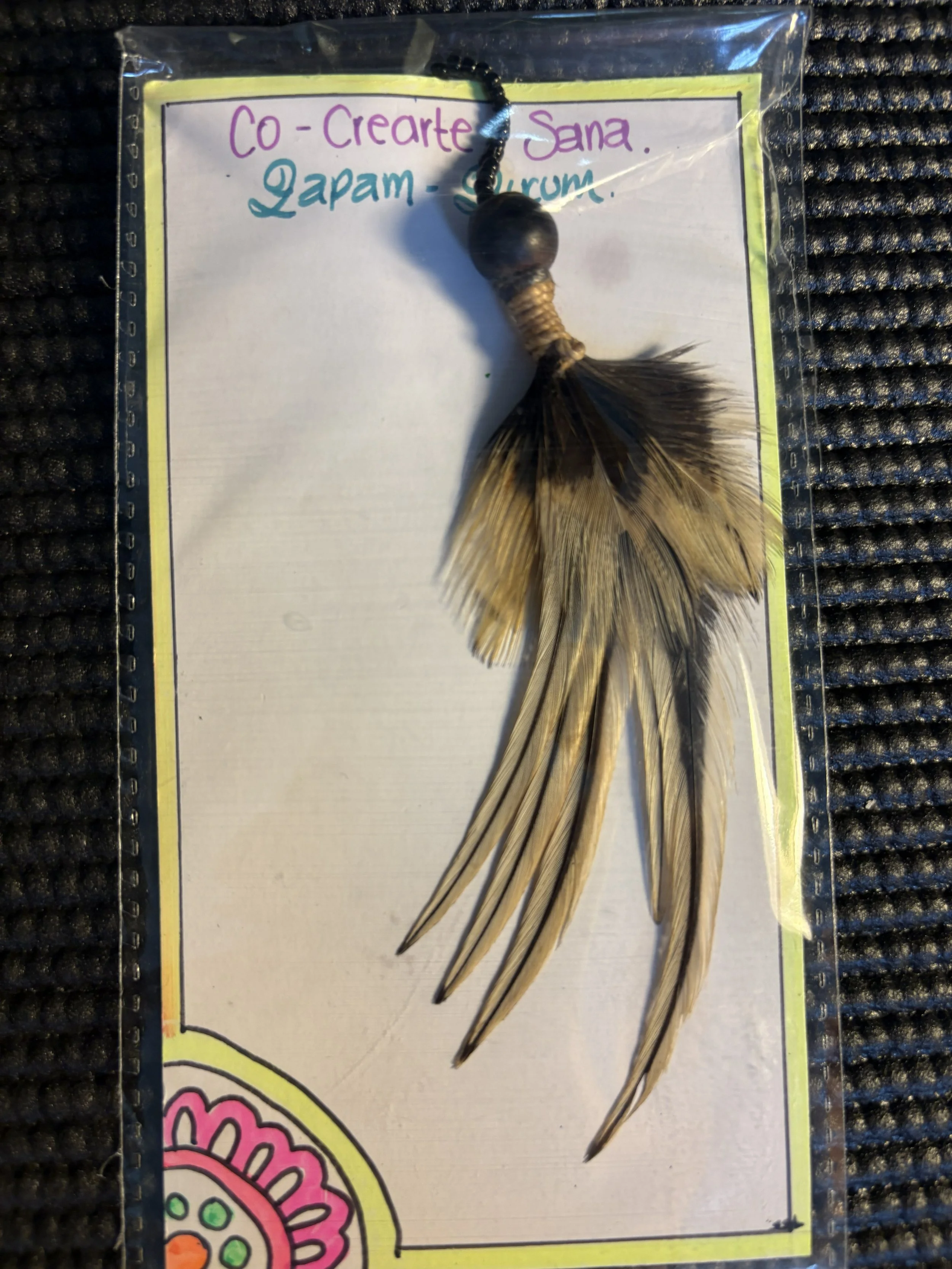
Handcrafted artisan earrings — alive with color, movement, and fearless energy. Designed to dance with the wind, these earrings embody power, rhythm, and self-expression.
Be in color. Be in the wind. Be in your power
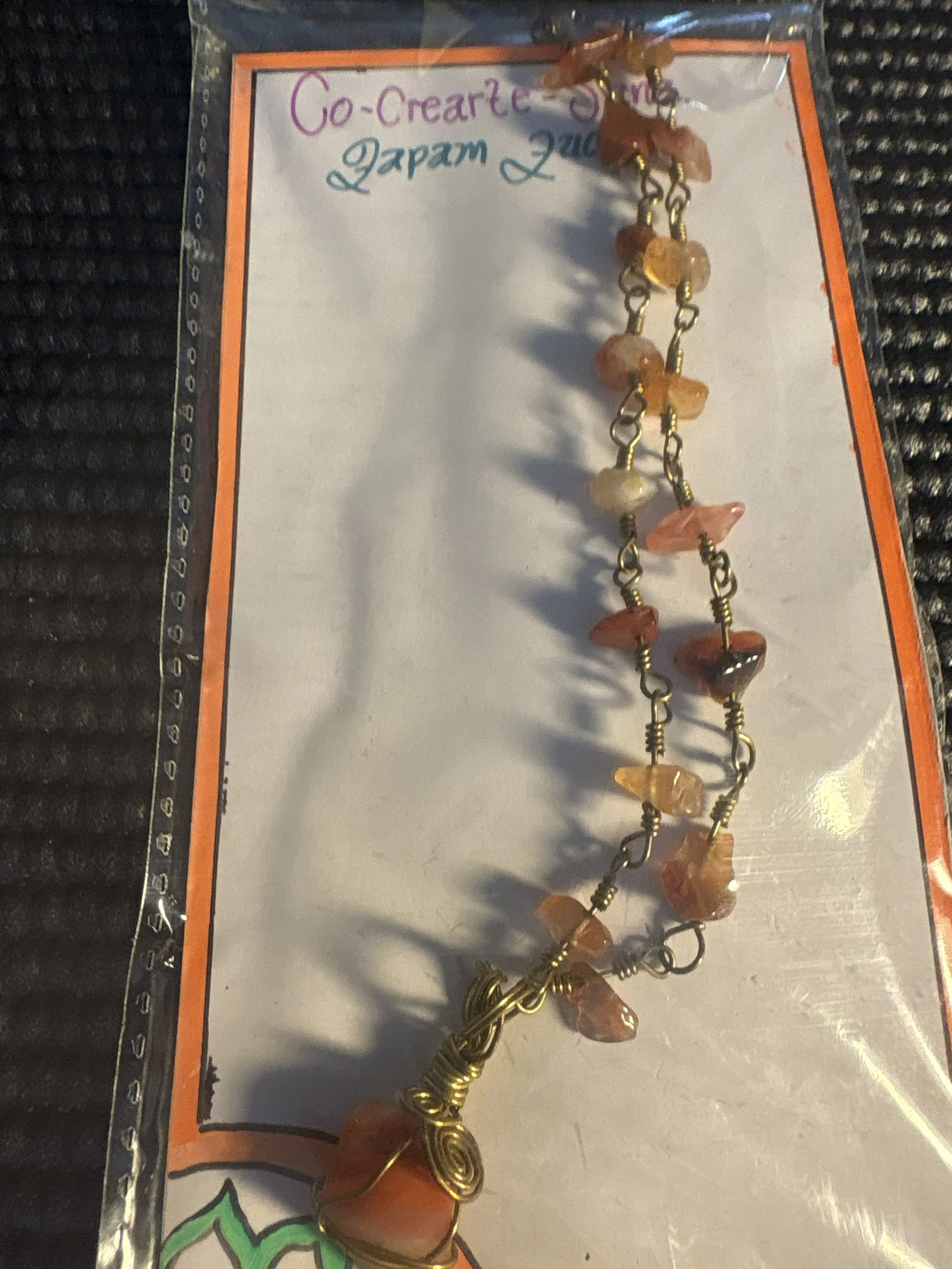
Handcrafted artisan necklace — a powerful expression of rhythm, spirit, and identity. This piece is designed to rest close to you, holding meaning, intention, and presence.
Wear it to protect and keep your energy, grounded and radiant
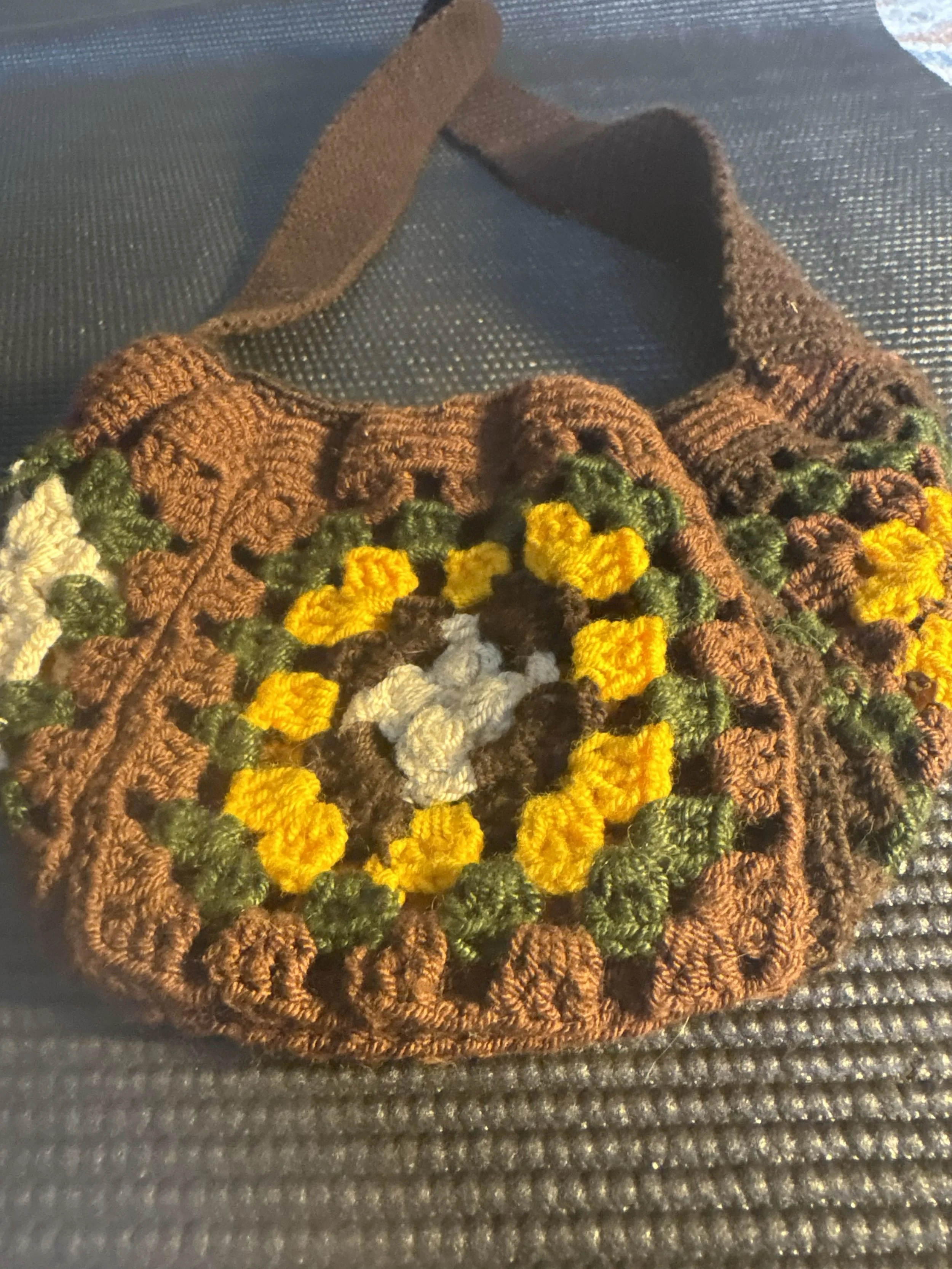
Handwoven wool clothing - Rooted in ancestral weaving traditions, each piece is crafted with care, patience, and intention. The texture of wool carries warmth, protection, and a deep connection to the land.
Every thread tells a story of coexistence, resilience, and identity.
Wrap yourself in warmth, culture, and timeless energy
HOURS
MON-FRI 8AM-8PM
SAT-SUN:APPOINTMENT ONLY
LOCATION
123 #45B-67, Suba, Bogotá, Colombia
CONTACT US